A PROJECT LED THROUGH THE REV
Cottonwood Crossing Summer Institute (CCSI)
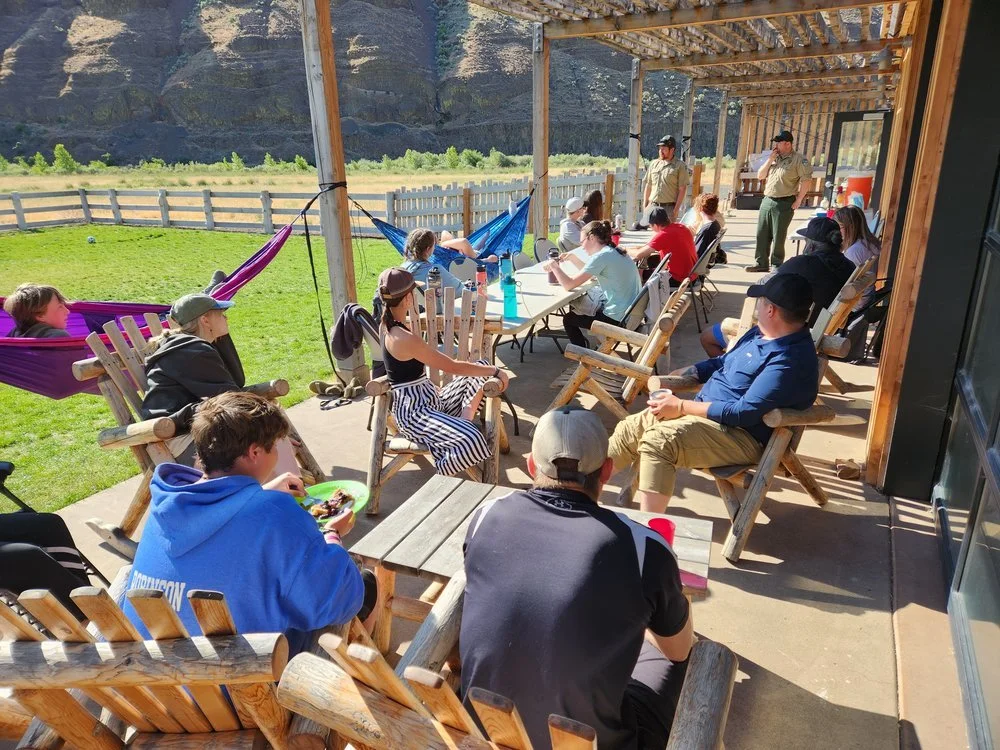

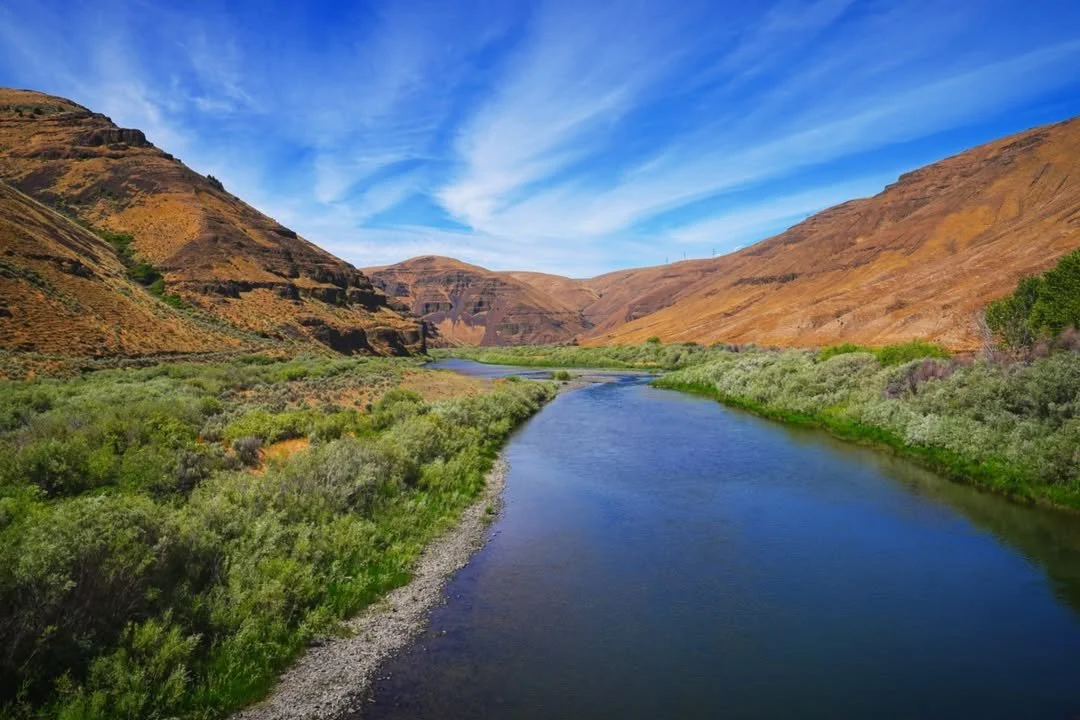
Cottonwood Canyon State Park is located in north central Oregon. The park’s 8,000+ acres are open for exploring, stargazing and contemplating the elemental forces that carved its unique landscape.
When: June 13-18, 2027
Where: Cottonwood Canyon State Park
A SUMMER YOU WON’T FORGET
Make lifelong friends – Float the John Day River – Learn how to study our natural resources and local heritage – Produce media that will be shared by Oregon State Parks
HIGH SCHOOL STUDENTS
Cottonwood Crossing Summer Institute (CCSI) is a six-day residential field studies program for high school students held in Cottonwood Canyon State Park (located along the John Day River on Highway 206 between Wasco and Condon). Participants choose from course options where they learn about locally significant cultural or natural resources. Projects are led by EOU faculty, EOU students, and other regional professionals. High school students will earn college credit for EOU.
Cost to attend: $350 and scholarships are available.
UNIVERSITY STUDENTS
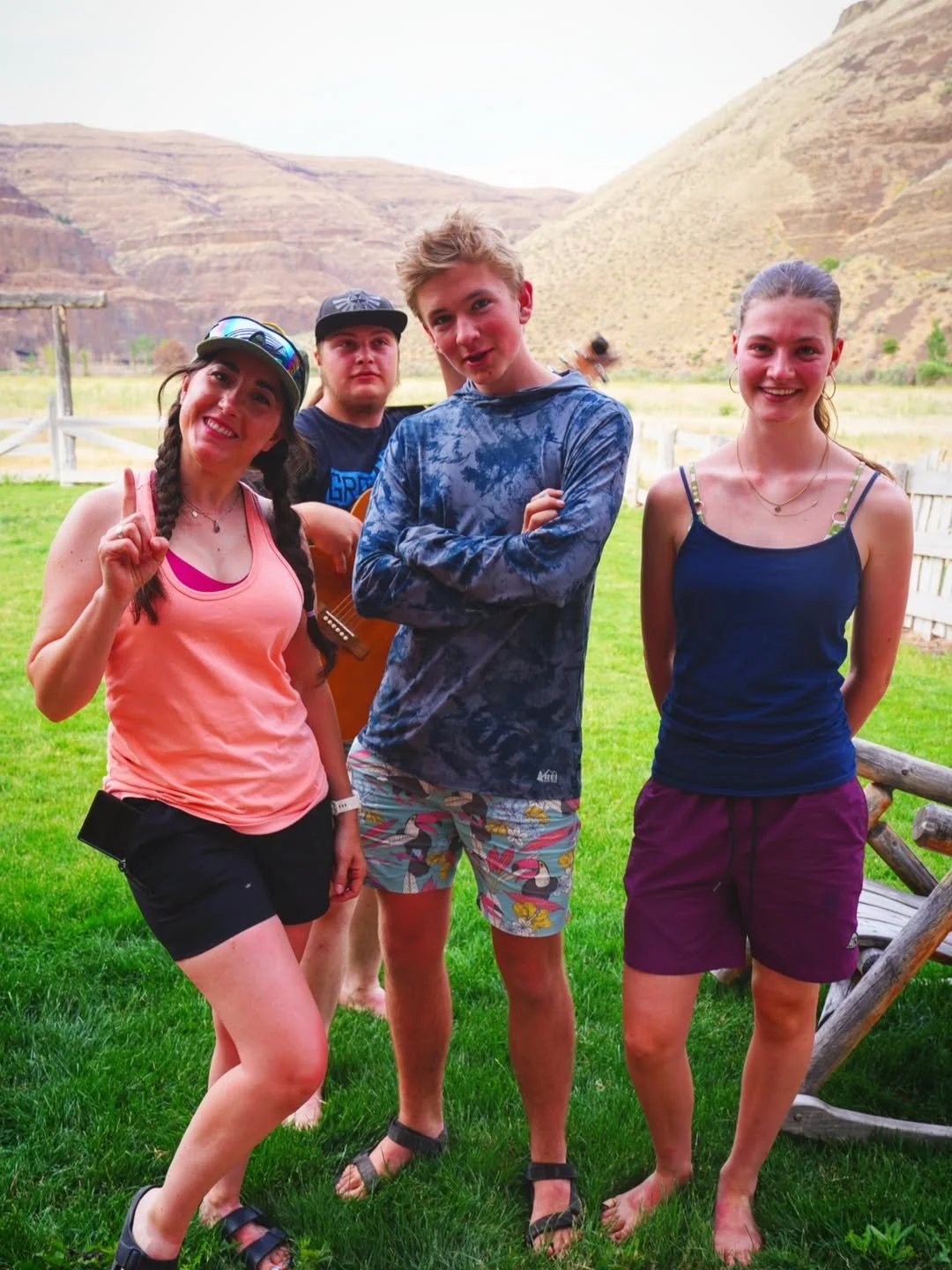
Four Eastern Oregon University students are hired as paid student interns for the week of CCSI at Cottonwood Canyon State Park as CCSI Mentors. These mentors assist the instructors of the high school students and monitor the students’ experience.
“I love the outdoors,” said Colby Stroller, a 2024 CCSI Mentor. “I wanted to inspire the next generation of students that science isn’t just based in the classroom with a bunch of textbooks. It’s real.”
Are you an educator interested in an experience of learning while living in the outdoors (and earning professional development units while doing so)? Learn about our program for you: Cottonwood Canyon Teaching Institute.
What do students do at CCSI?
Students are assigned to one of the following courses. Let us know your preferences when you apply.
-
Rocks, Rivers, and Ancient Life
Students will learn about the local rocks in Cottonwood Canyon and the volcanic activity that originally formed them. Through direct observation, they will learn about the ways that water shapes the earth and creates different physical environments that are inhabited by living organisms of today. They will also work with fossilized organisms, the evidence of past life present in rocks, and gain an understanding of how they are formed and preserved.
Instructor: Joe Corsini is a professor of Biology at Eastern Oregon University. He has a Ph.D in Microbiology with an emphasis in Virology and has taught biology at all levels for nearly 20 years. His current research projects include a study of the diatoms at Hot Lake in Union County and DNA studies of relationships between Western Painted Turtle populations.
-
Writing in the Wilderness
The writing project will introduce students to the wilderness, ecosystems, history, and culture and region of the John Day River through acts of reading, writing, photography and discussion. Daily activities will include learning how to create a visual narrative through a variety of field research methods, such as developing photography techniques, conducting observations and journaling, testing narrative-building skills, and learning group project design as we study and write about this landscape. By the conclusion of this project students will present their findings and work in a cumulative visual narrative that is planned, developed and shared as a group. Students are encouraged to bring a camera (film or digital) if they have one; although this is not required to be a participant in this project. All other materials will be provided.
Instructor: James Stolen is currently a Senior Instructor II of English and Writing at Eastern Oregon University. He received a BA from Carleton College and MFA at Virginia Tech. He is an avid explorer and hiker, and centers much of his fiction, essays and poetry on the landscape of the American West.
-
Nature’s Navigation
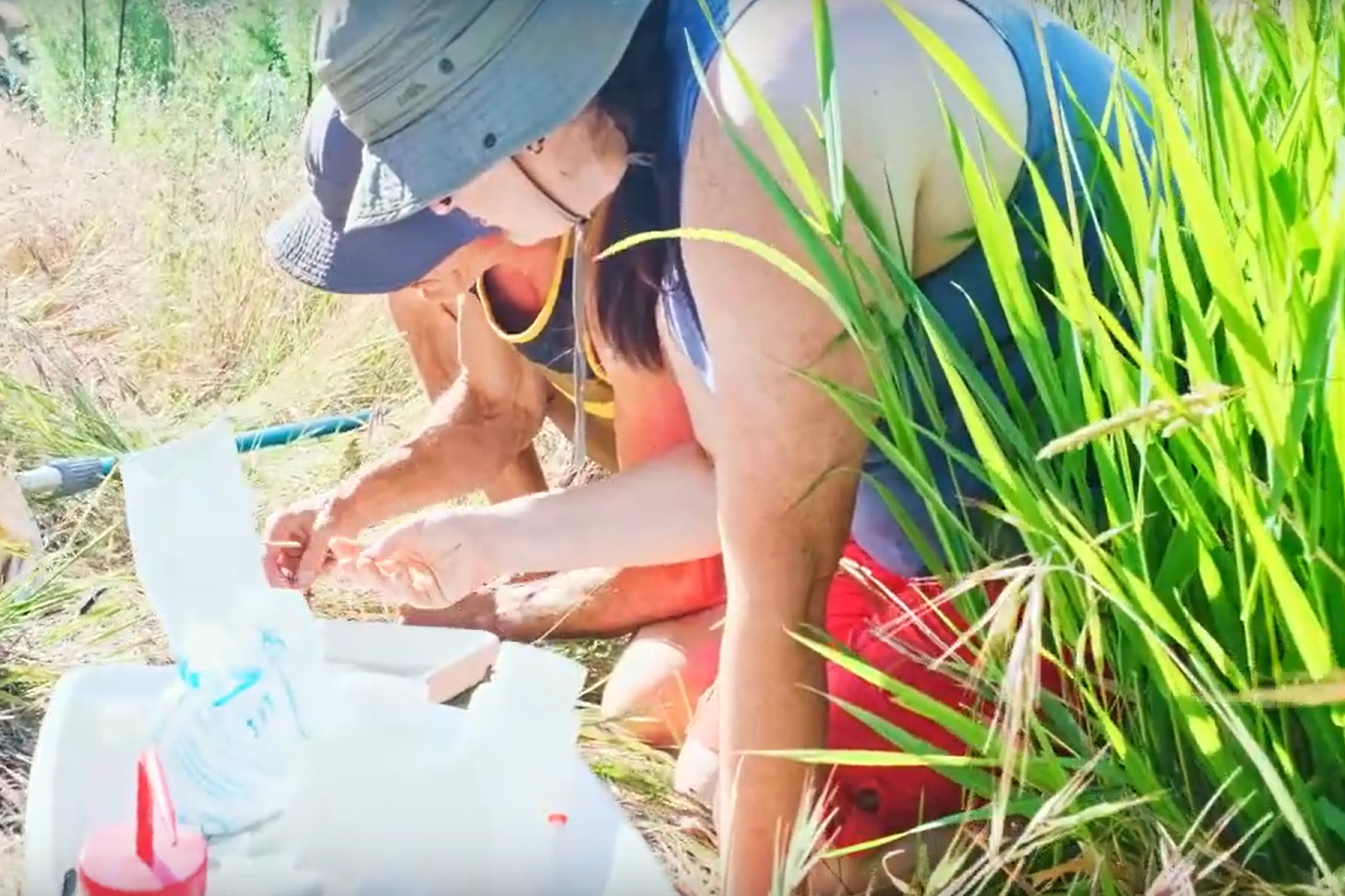
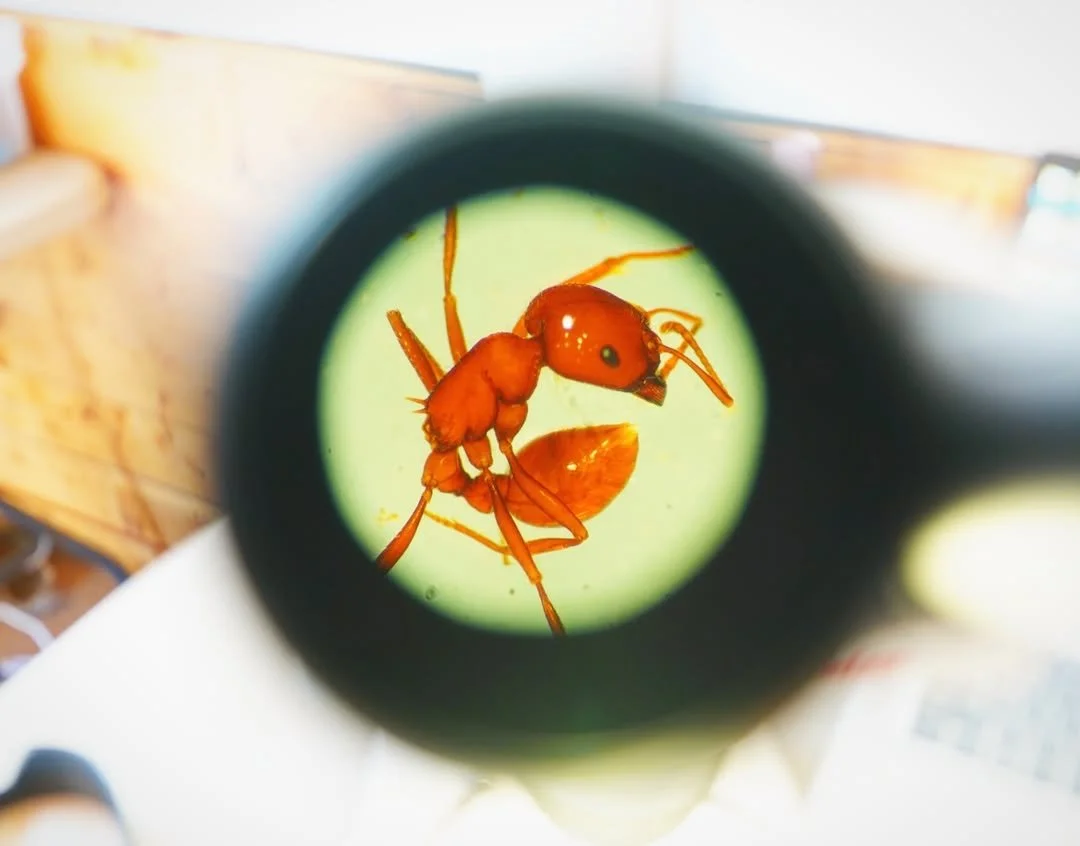
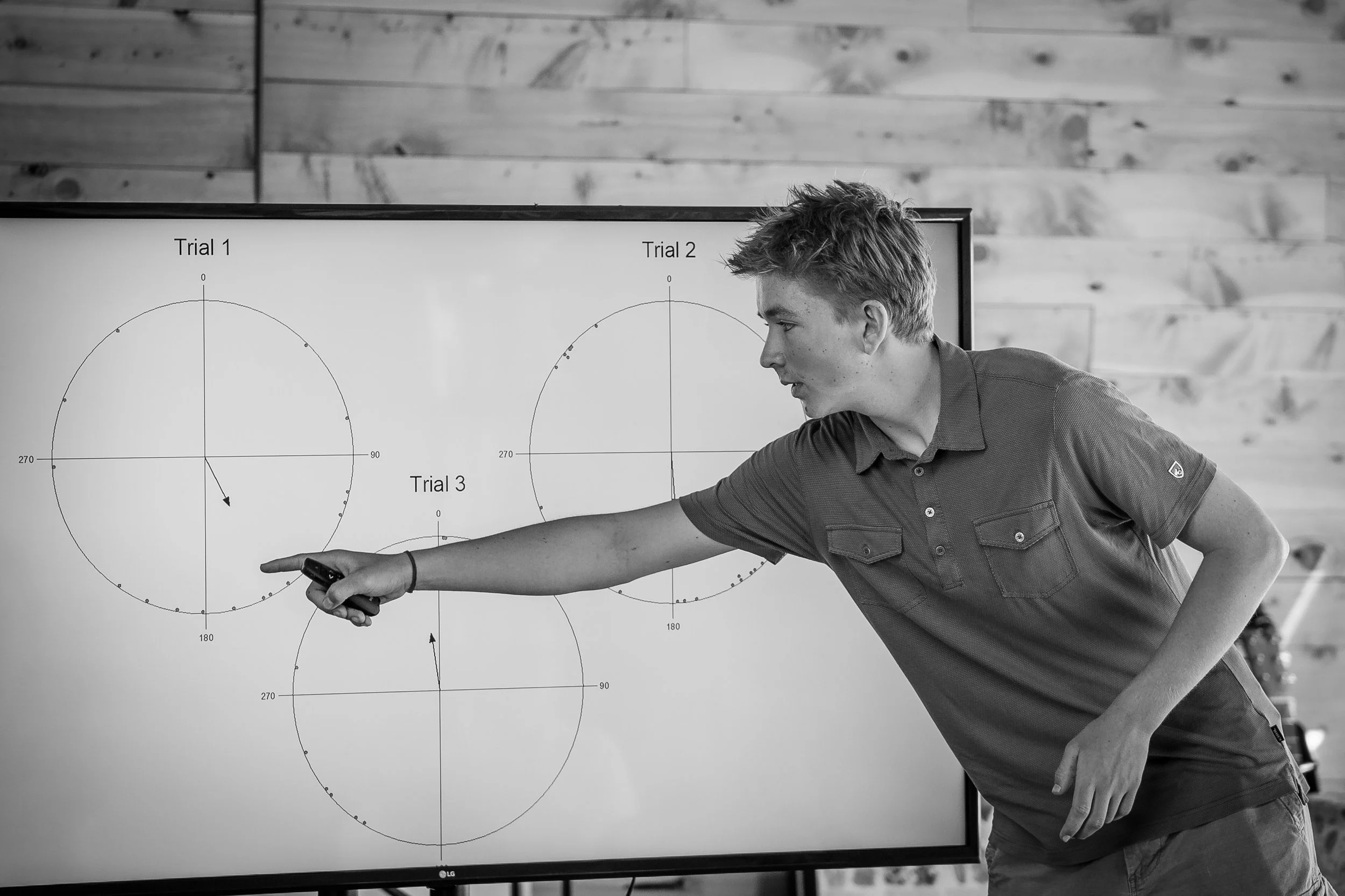
Students will learn how the invertebrate nervous system combines multiple sensory cues, including Earth’s magnetic fields, into a complex hierarchy of signals that can direct and guide navigational tasks. Fieldwork will include collecting samples and examining invertebrate behavior under a microscope.
Instructor Shaun Cain is a Professor of Biology at the College of STM & Health Science. Dr. Shaun Cain is a neuroethologist with a focus on invertebrates. His research investigates the nervous control of behavior using behavioral, electrophysiological, and neuroanatomical techniques. His research projects provide opportunities for undergraduate research for students seeking degrees in biology, biochemistry, and psychology.
-
Fisheries and Riparian Habitat
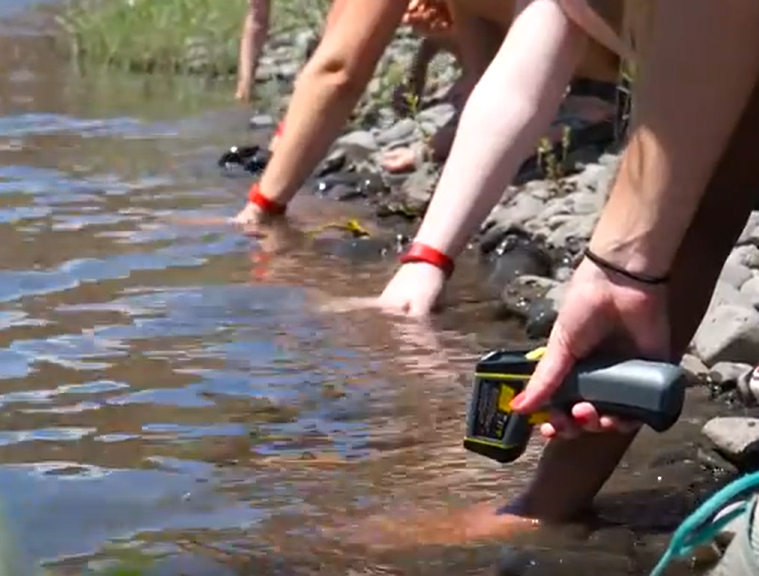
Students will learn the changing dynamics along the John Day River with some historical, cultural, and present-day challenges. Which some of the impacts are from climate change, development, agriculture, and invasive species. The field project will include the sampling of macroinvertebrates along a reach on the John Day River and how to identify them to order or families. Students will learn to process a small study of biodiversity integrity and how they are impacted with changing watershed dynamics. This will also be integrated into identification for fishing techniques as a fly fisher.
Instructor: Christine Longjohn is a Navajo Riparian Ecologist, who is working for The Confederated Tribes of Warm Springs as a Fisheries Biologist. I am from Utah and have had the opportunity to work in the Pacific Northwest with the Tribes and The Forest Service. I have been a part of restoration projects in the John Day Basin and currently working on Salmon monitoring programs in the Hood River Basin. I am an avid Fly Fisher with a passion for our watershed health.
Forms
When you have completed your application to attend, you will be directed by our staff to complete forms for health information and consent to participate in CCSI activities. Questions? Contact Eric Carlson.
Outdoor Recreation
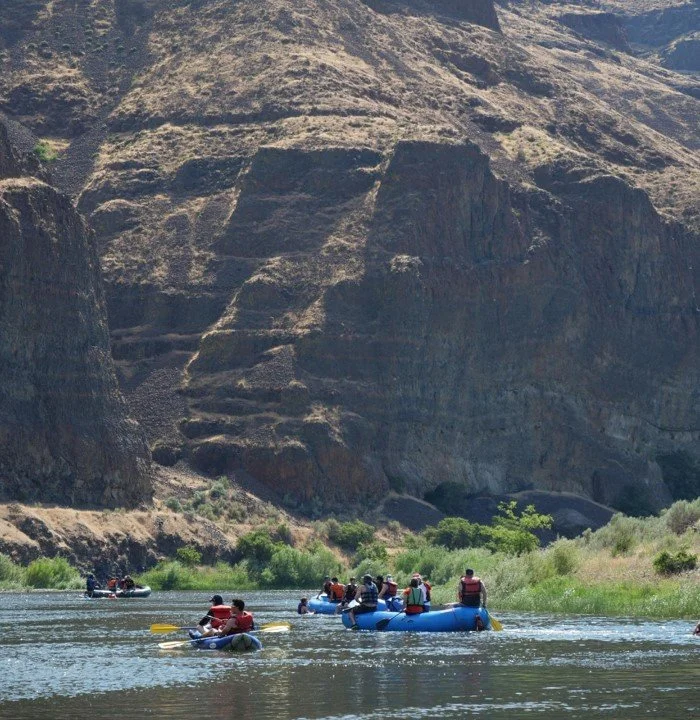
River Day
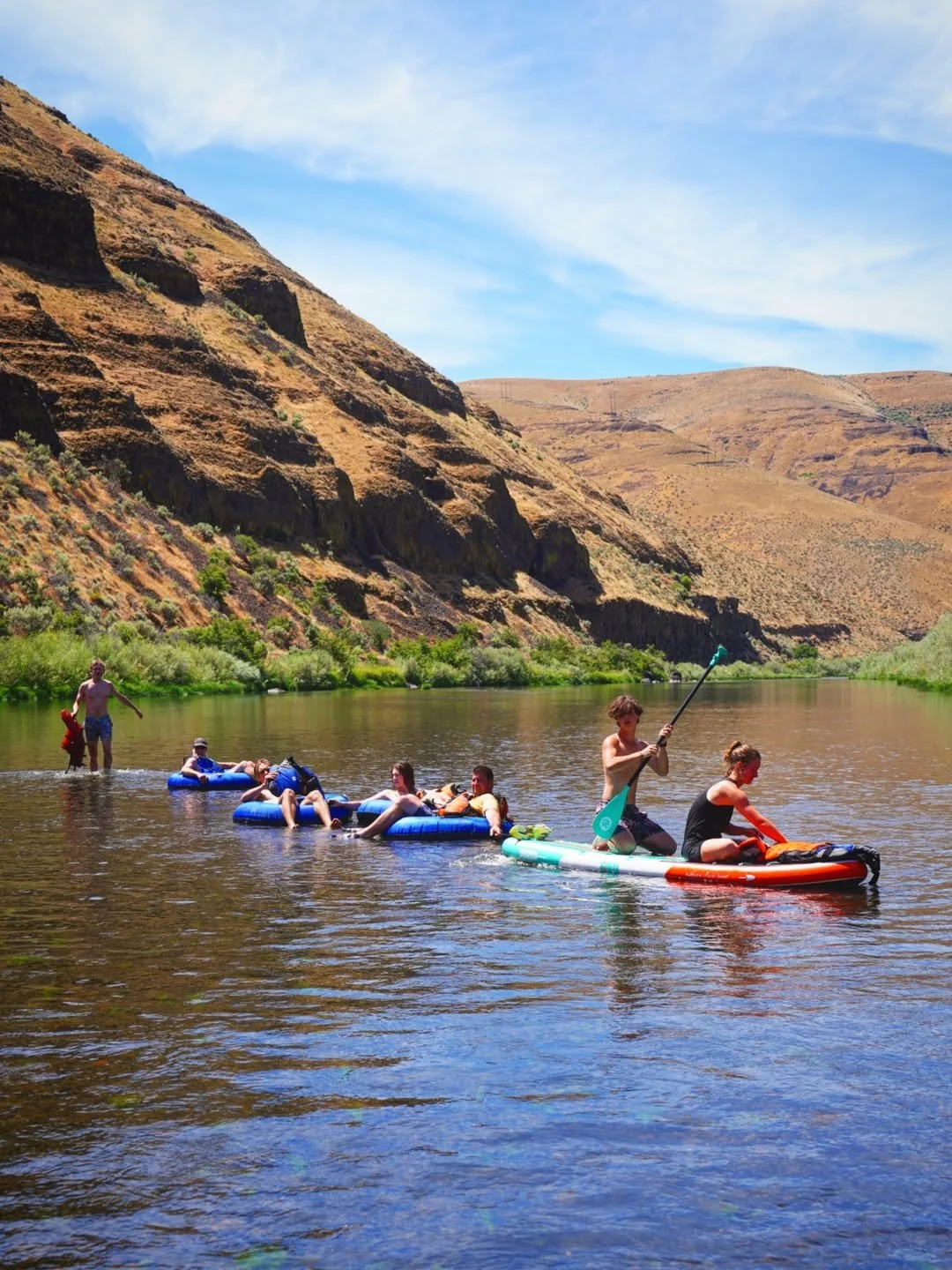
All camp participants will take a journey with EOU student mentors and instructors on inflatable kayaks and inner tube to enjoy a slow 10 mile float from the park.
Final Presentation Day
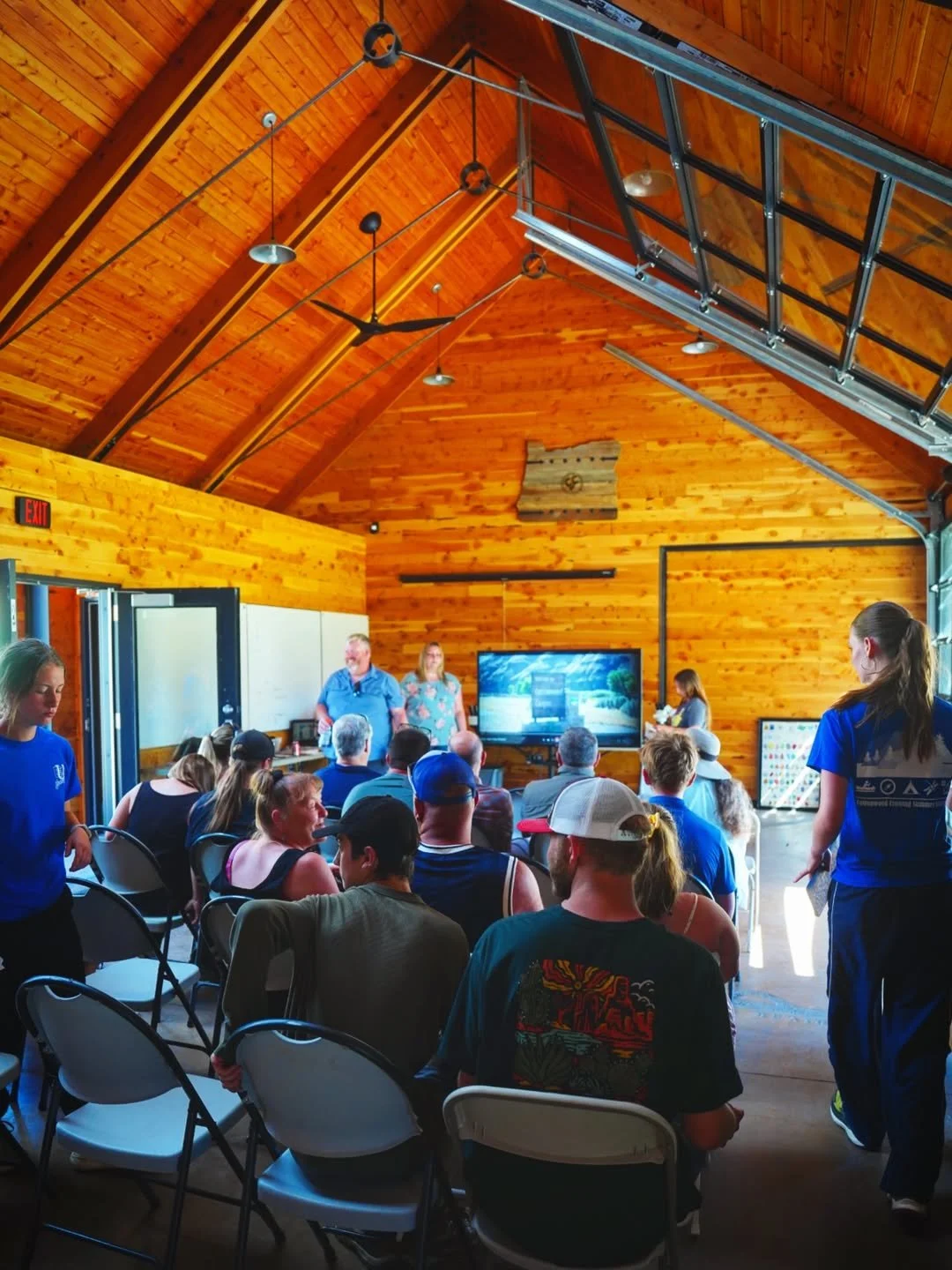
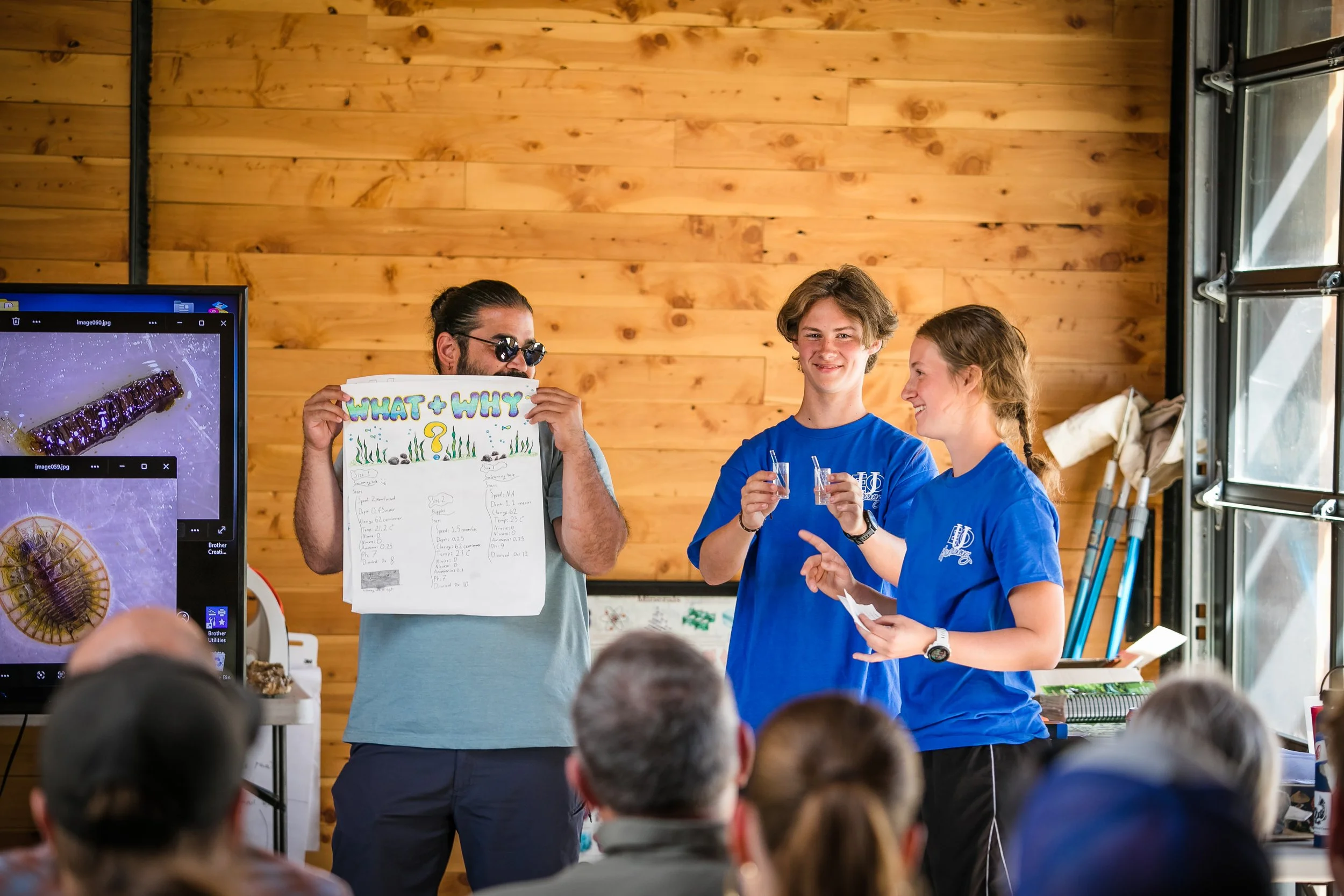
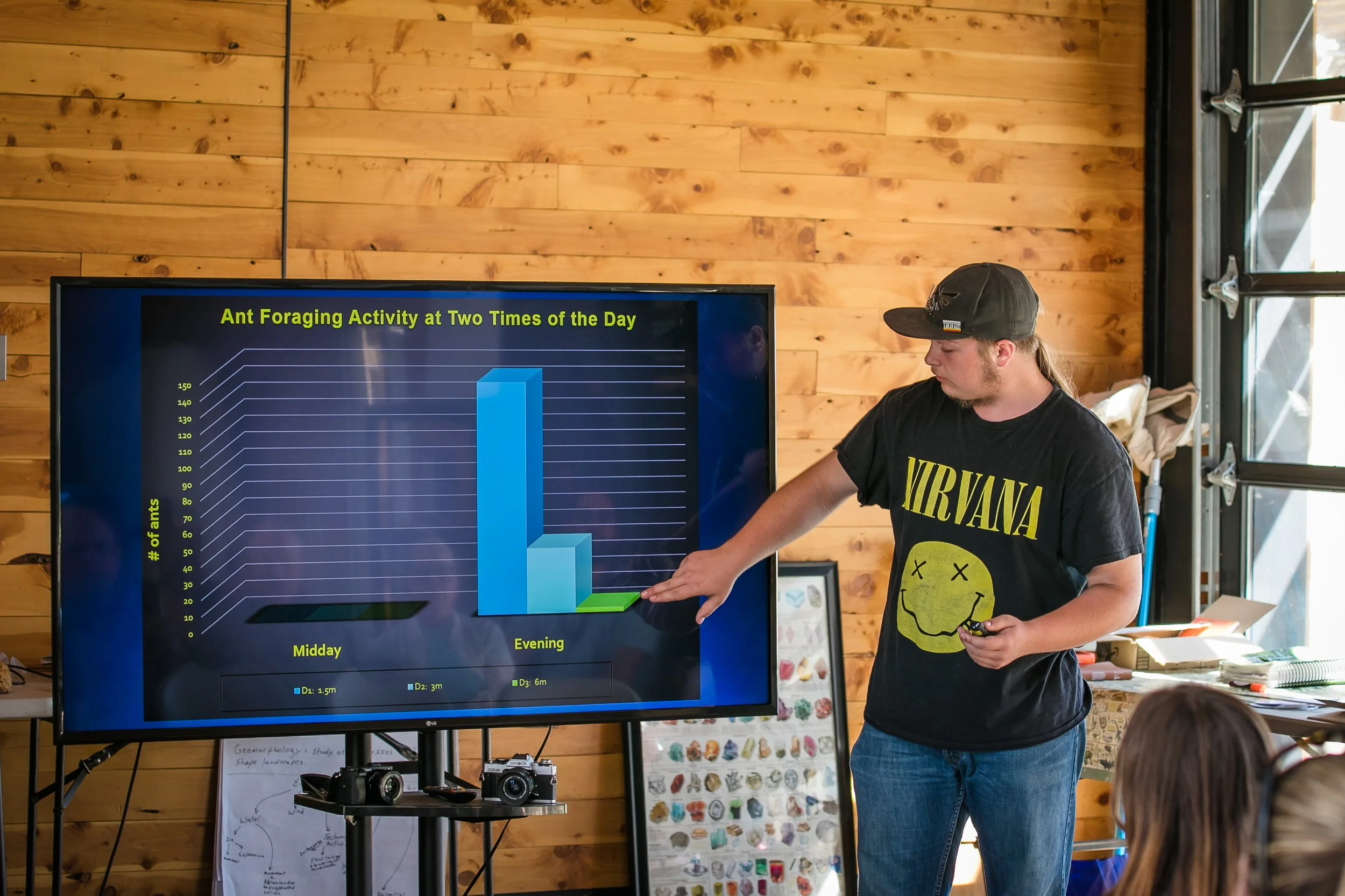
Members of the community and families are invited to attend the project presentations on Friday at 10am. You will be amazed at what our young people can do!
Has someone from your high school attended CCSI?
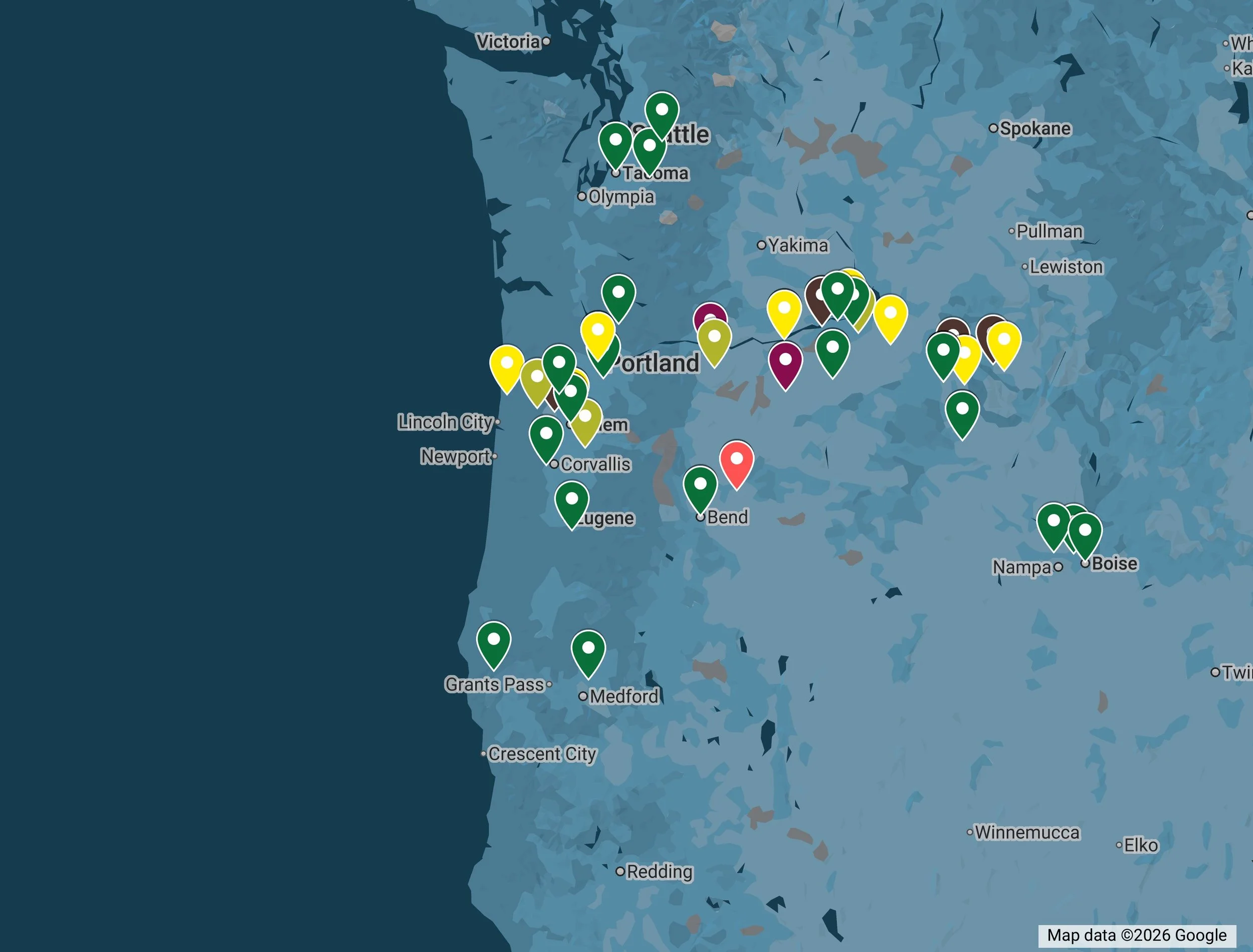
It’s been going since 2017 and we’ve had 38 students from across Oregon, Washington, and Idaho.
CCSI for Teachers (Cottonwood Canyon Teacher Institute)
June 21-24, 2026 (20 PDU)
During this week, K-12 teachers will engage in hands-on learning through two projects – water quality studies, and storytelling. Our program is focused on technical skills and projects you can use with your students and also encourages collaborative time with your colleagues to identify and problem-solve challenges you’ll face in the classroom during implementation.
Stipend: A $750 stipend is available (must attend the full week)
In the News
NEWS RELEASE / April 20, 2026 / REV Center
Where Curiosity Leads: Students Explore Science, Storytelling, and College Credit in the Canyon
Give high school students the space to ask questions, and the guidance to pursue them, and discovery follows.
The Cottonwood Crossing Summer Institute (CCSI) offers high school students a week-long, hands-on learning experience in Cottonwood Canyon State Park along the John Day River. Guided by Eastern Oregon University faculty, participants explore science and storytelling while earning college credit. Learn more >
NEWS RELEASE / February 23, 2026 / REV CENTER
Registration Open for Summer Learning Opportunities
Trade fluorescent lights for canyon skies.
High school students and K–12 educators ready to explore culture, environmental systems, and science through immersive, boots-on-the-ground learning are invited to apply for these upcoming opportunities:
Cottonwood Crossing Summer Institute for high school students - June 14-19, 2026
Cottonwood Canyon Teacher Institute for educators wanting professional development units - June 14-19, 2026 or June 21-24, 2026
Photo Gallery